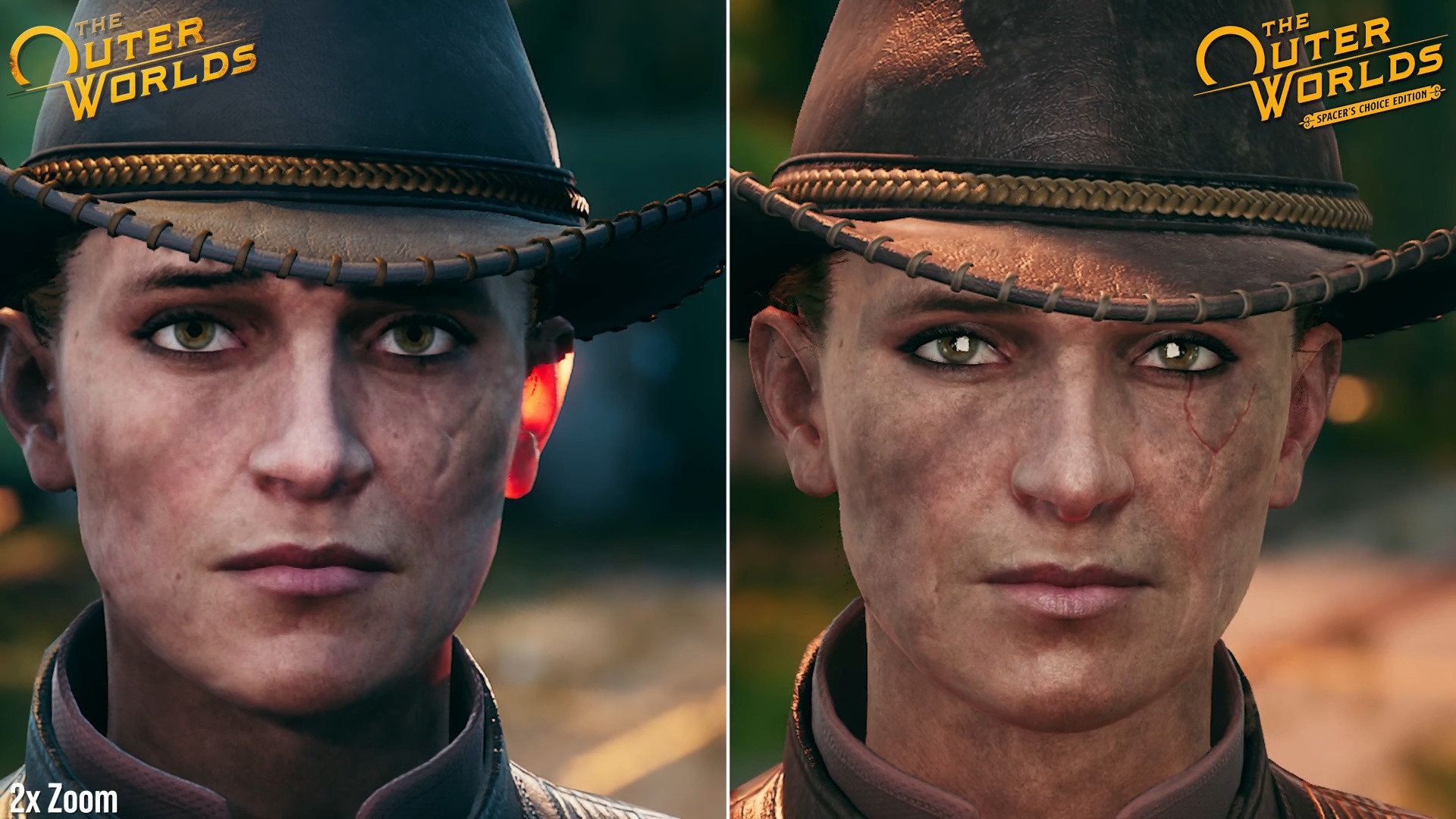
When I started working on The Outer Worlds, I have to admit I still had limited experience as a Technical Artist. I had been working as a TA, at least by title, for around four years in a VR company where I mostly coded shaders in Unity with HLSL, created a few tools, and helped with the art side of things. It was a highly experimental place, with no clients and only investors, so it was the kind of environment where you could spend the day trying ideas, building crazy shaders, and experimenting with technology. It was a lot of fun, but after four years it also started to feel a bit too safe. I felt I needed a bigger challenge.
That is how I ended up in The Outer Worlds, and it was definitely a different beast.
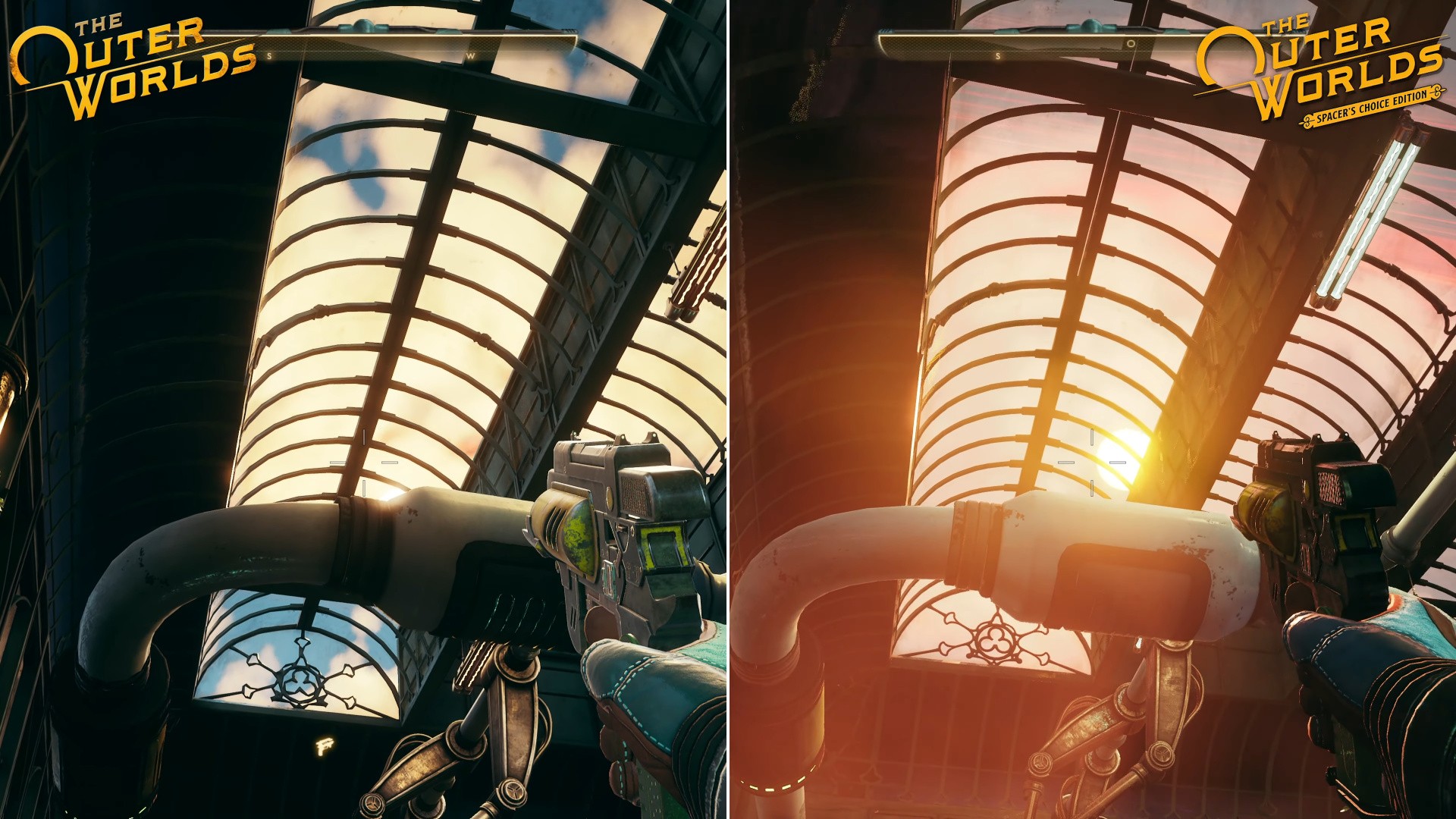
The TA team at the beginning was just a Senior and me, which was already tiny for a project of that size, and then the Senior left the project, which left me in a very difficult position.
The project was already in an advanced phase of development, and it soon became clear to me that the absence of a solid TA team from the beginning had already caused a lot of problems. In many cases, Materials were being used instead of Material Instances, some shaders had become massive spaghetti monsters, and there were huge textures, heavy overdraw, and systems that were simply too expensive for what they were doing.
A more senior Technical Artist could maybe, with a huge effort, have pushed the project in a better direction, but at that point in my career I simply did not have the experience to step back, assess the whole situation properly, and build the kind of structured response it needed. Today I would approach it very differently. I would start with a clear assessment of everything that was wrong, document the biggest issues, propose solutions, define priorities, and push much earlier for more support with actual data behind that request.
Even so, I did manage to create some useful things. One tool I am still proud of helped solve a texture setup problem across a lot of assets. Since we did not really have a proper master material structure, and many assets were using unique materials, fixing things by hand would have been painfully slow. So I built a tool that duplicated the textures used by a material, updated them with the new setup, created a new material, and then reassigned it to all the static meshes using the old one. Today I would probably solve it differently, because that approach left behind unused textures, but at the time it was a practical solution to a messy problem.
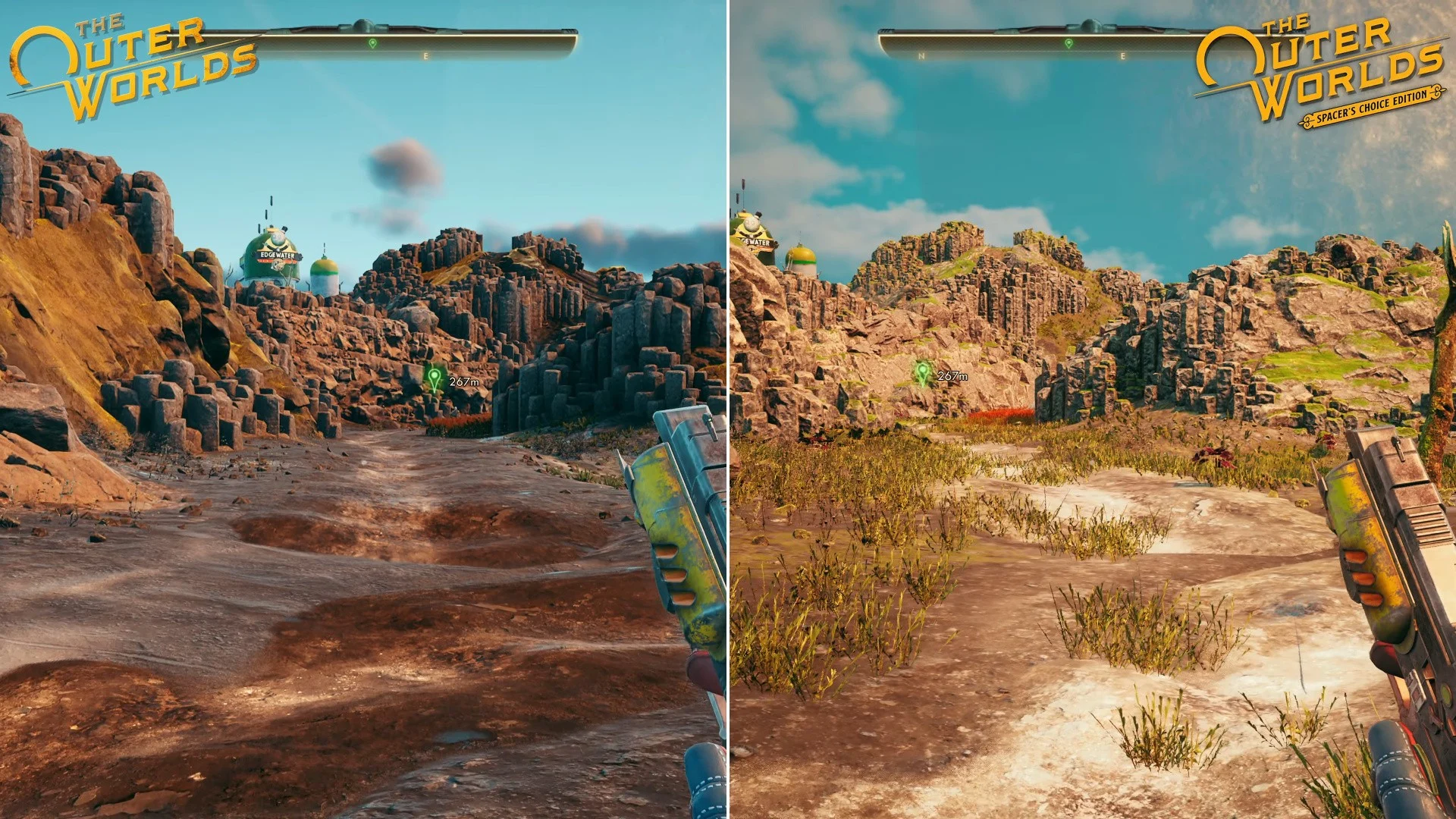
The project was not a complete disaster either. Some people outside the TA role stepped up and helped, including artists with a more technical mindset. That made a big difference, and it says a lot about the people involved.
The game did get criticism for performance, and I think that reflected many of the technical problems that had built up during development. But the team kept working on it and improved things later, and I think that matters too.
In the end, that is probably what I took from it the most. More than any specific tool or shader, The Outer Worlds taught me how important it is to have a proper TA team from the very beginning of a project. Later, when I worked on Oblivion Remastered, I finally saw what a strong TA team could look like, and that contrast made everything click. Even if The Outer Worlds was a hard project for me, it was also one of the experiences that shaped me the most.